
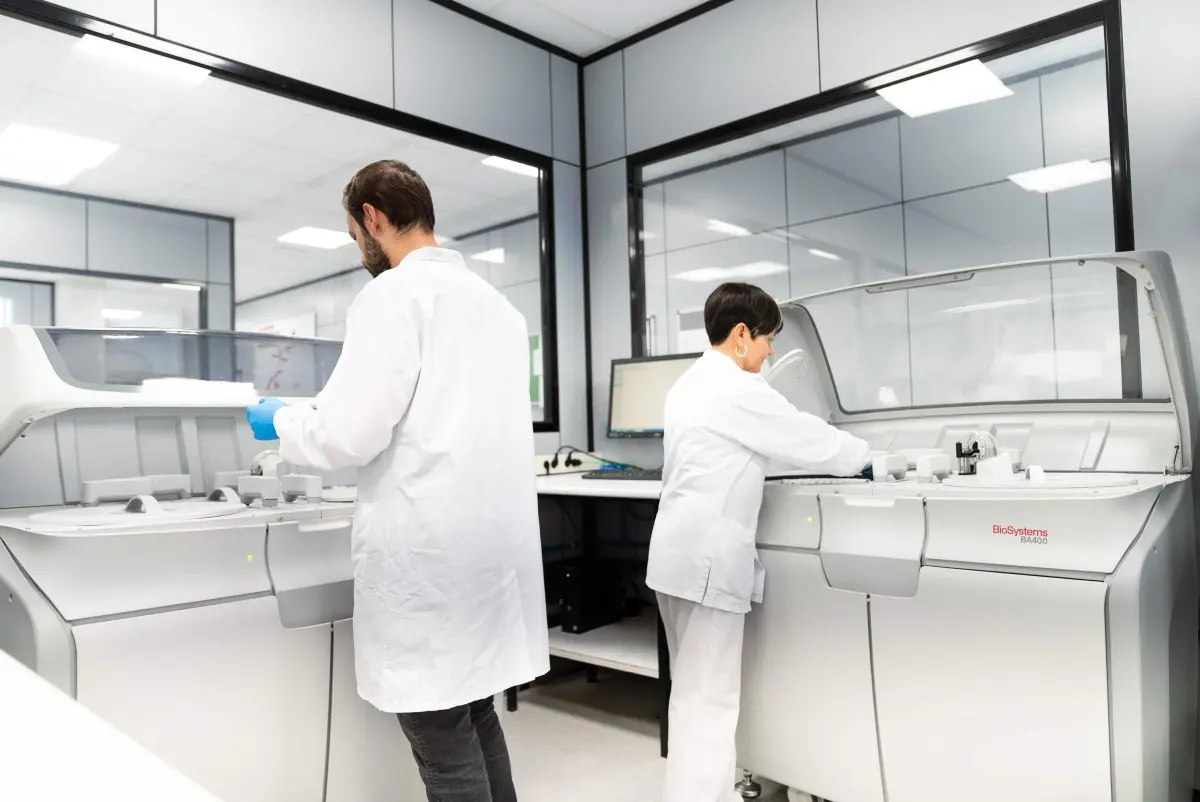
When people think of clinical analysis, they often have in mind the laboratory report that sets out all the results. But behind every reliable result provided by our analytical systems there is something less visible: a robust Quality Management System.
At BioSystems, Quality is not just a department or a checklist. It is a structured, company-wide system that ensures every product, every service, every process and every result meets the highest standards.
What is a Quality Management System?
BioSystems operates under internationally recognized standards and regulations such as:
- ISO 9001, which focuses on overall quality management.
- ISO 13485, specifically designed for medical devices and in vitro diagnostics.
- Regulation (EU) 2017/746, its modifications and international clinical guidelines, a regulation of the European Union on the placing on the market and putting into service of in vitro diagnostic medical devices (IVD).
- These certifications and regulations are not just labels: they require regular audits, strict documentation, and continuous improvement.
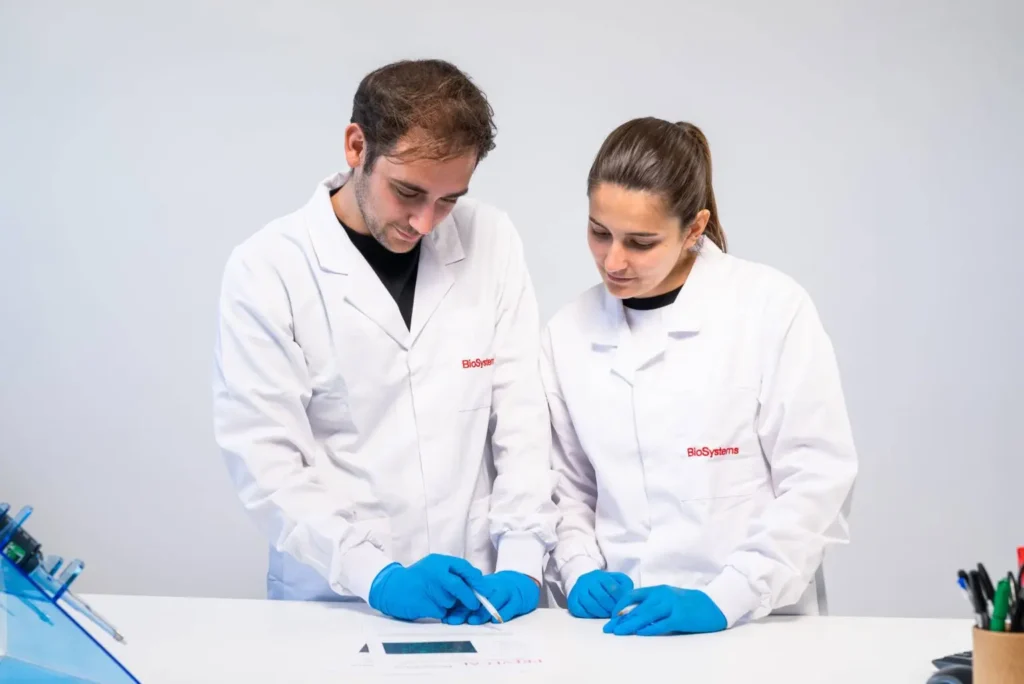
Beyond compliance: a commitment to quality
While certifications like ISO 9001 and ISO 13485 provide the framework, the real value lies in how quality is embedded into the company culture.
- Proactive, not reactive.
- Integrated across teams.
- Focused on delivering value to the end user.
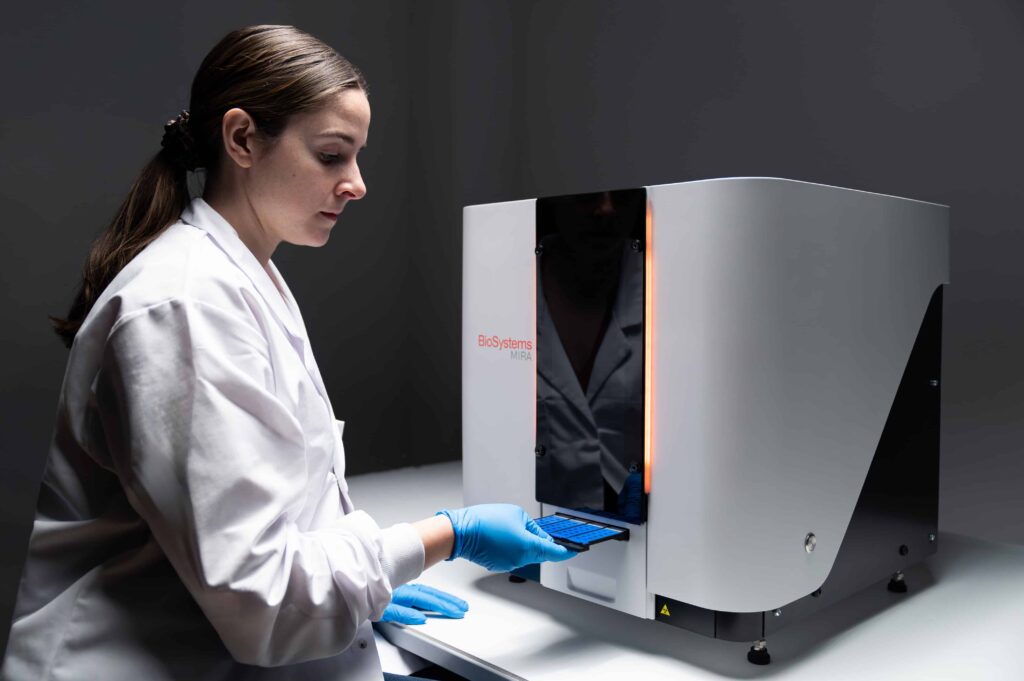
Quality at every step
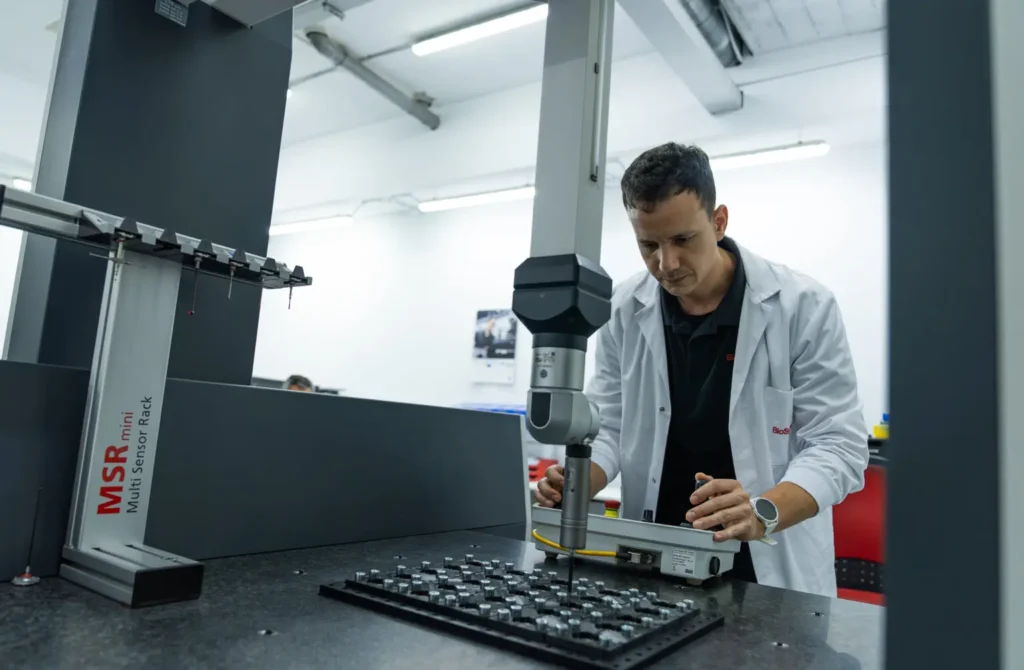
Quality at BioSystems is built into every stage of the product lifecycle:
- Design and development, ensuring that our analytical systems are scientifically and technically sound, to meet our customers’ needs.
- Manufacturing, controlling all the processes to guarantee consistency lot after lot, unit after unit.
- Testing and validation, verifying that our systems perform reliably under real-world conditions.
- Storage, distribution, installation and support, ensuring that our systems arrive and perform as expected, throughout their entire lifespan.
What does this mean for the end user?
1. Reliable results you can trust
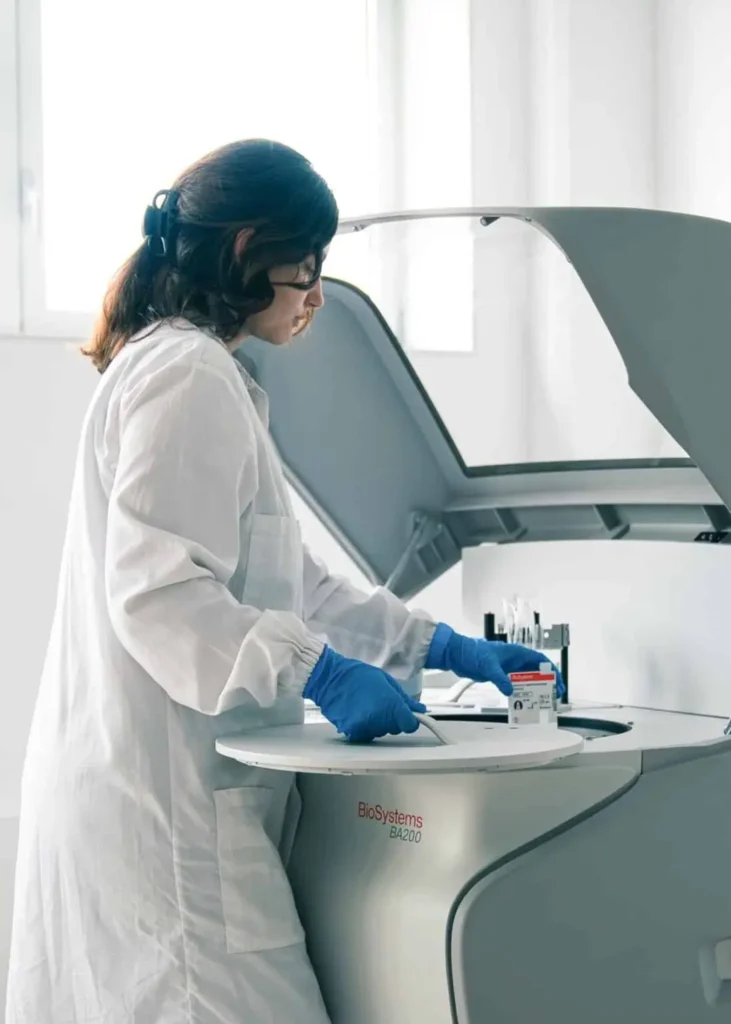
- Results are consistent and reproducible over time.
- Instruments and reagents behave predictably.
- Variability is minimized.
2. Safety and regulatory compliance
- Compliance with international regulations.
- Rigorous risk management.
- Full traceability of materials and processes.

3. Faster problem resolution
- They are detected quickly.
- Root causes are identified.
- Corrective and preventive actions (CAPA) are implemented.
This leads to faster resolutions and fewer disruptions in the laboratory.
4. Continuous improvement
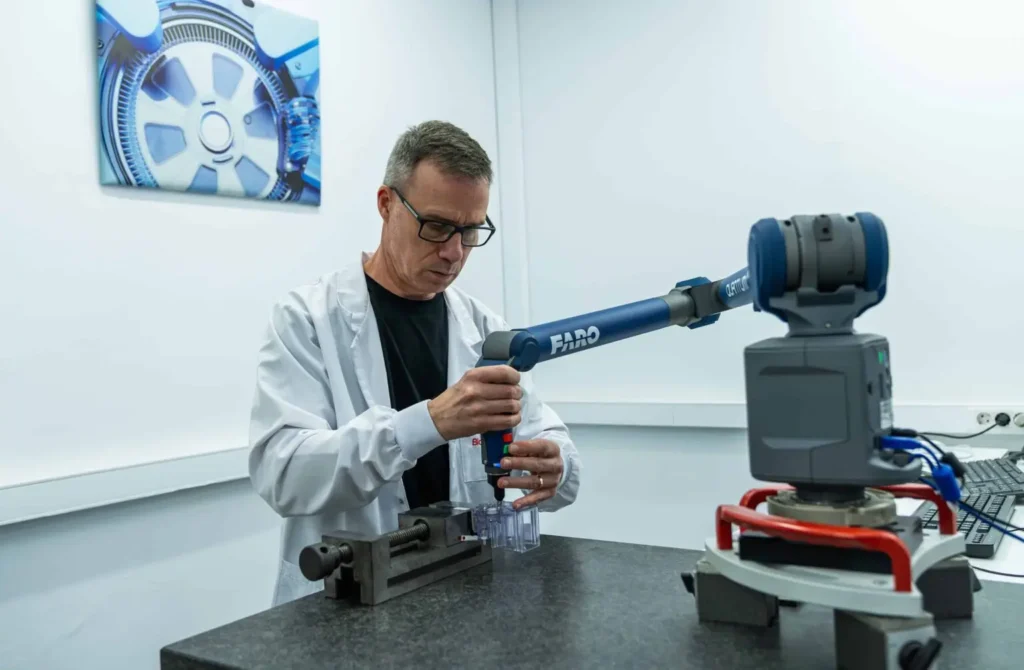
- Better performance over time.
- Updated solutions aligned with evolving needs.
- Ongoing innovation grounded in real-world use.

5. Better user experience
- Ease of use.
- Clear documentation.
- Reliable technical support.
In summary
- In the accuracy of results.
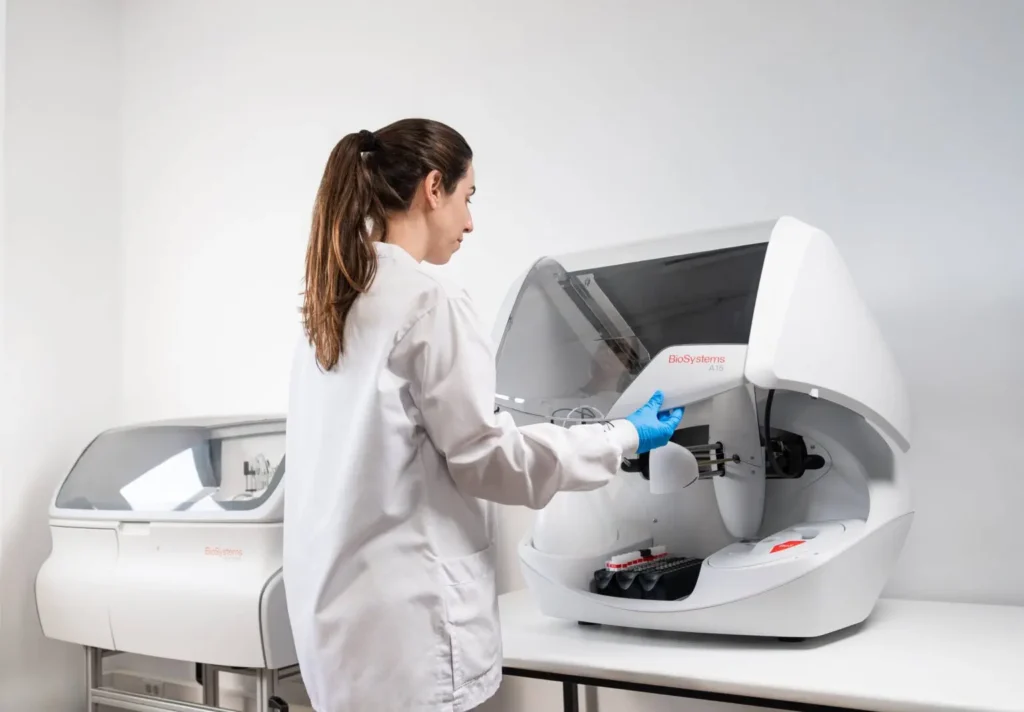
- In the reliability of our analytical systems, including instruments, reagents and reference materials.
- In the trust that users place in our systems.