

Polydipsia is a syndrome characterised by an abnormal increase in water intake driven by increased thirst, leading to excessive urine production, known as polyuria, and resulting in more frequent and abundant urination.
Symptoms
Common symptoms in dogs and cats with polydipsia are:
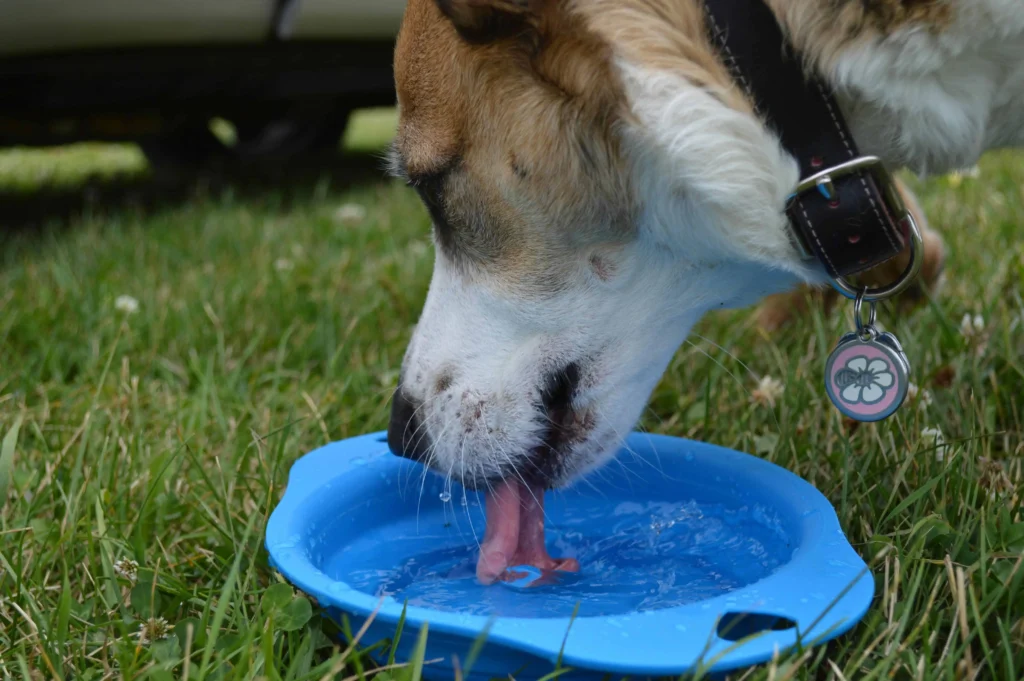
- Excessive thirst - they drink much more water than normal (Dogs > 100 ml/kg/day, Cats > 50 ml/kg/day)
- Excessive urination - they urinate more frequently and in greater quantities (Dogs/Cats > 50 ml/kg/day)
- Incontinence - involuntary loss of urine
- Change in eating habits - they eat less than normal
- Weight loss
Causes
There are different causes and reasons that can lead to polydipsia in our pets:
- Diabetes
- Hyperadrenocorticism (Cushing's syndrome)
- Hyperthyroidism
- Acute renal failure (end stage)
- Chronic renal failure
- Pyelonephritis
Diagnosis
The diagnosis of polydipsia in dogs and cats is divided into three phases:
Phase 1 - Rule out an iatrogenic cause based on the animal's medical history.
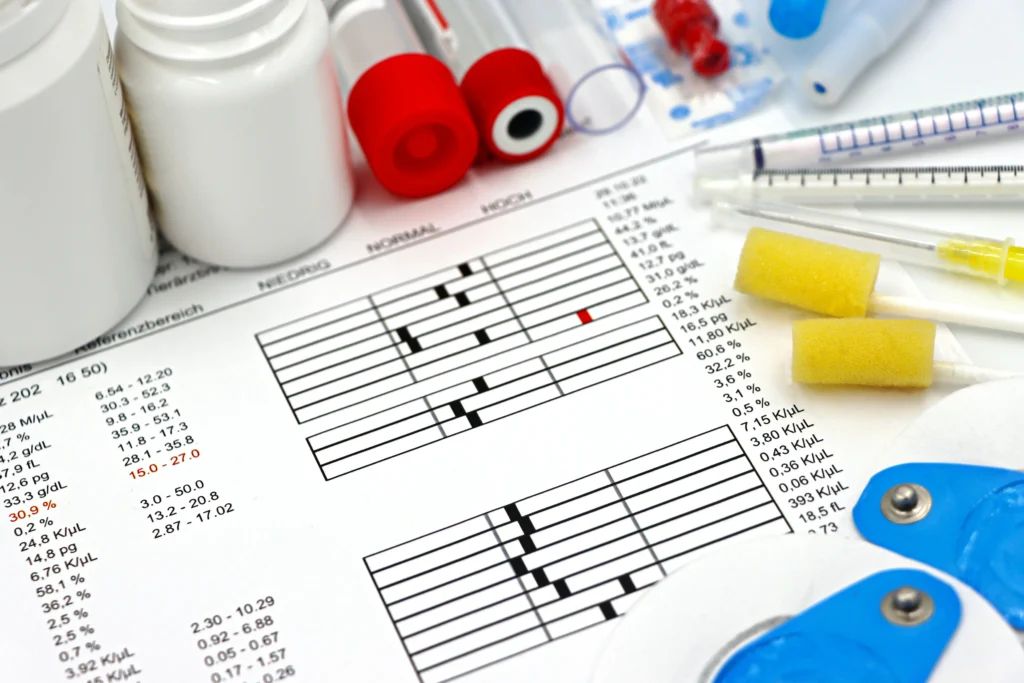
Phase 2 - If Phase 1 is ruled out, the following tests must be performed:
- Complete blood count
- Complete biochemical profile (glucose, electrolytes, renal/hepatic function, calcium, phosphorus, T4)
- Urine analysis (density/specific gravity, urine glucose, urine protein, physical examination)
Phase 3 - Additional tests are performed to determine the origin of the symptoms. The most effective tests are:
- Abdominal test
- Adrenal function test
- Bile acid stimulation test
- Urinary culture
- Measurement of glomerular filtration rate
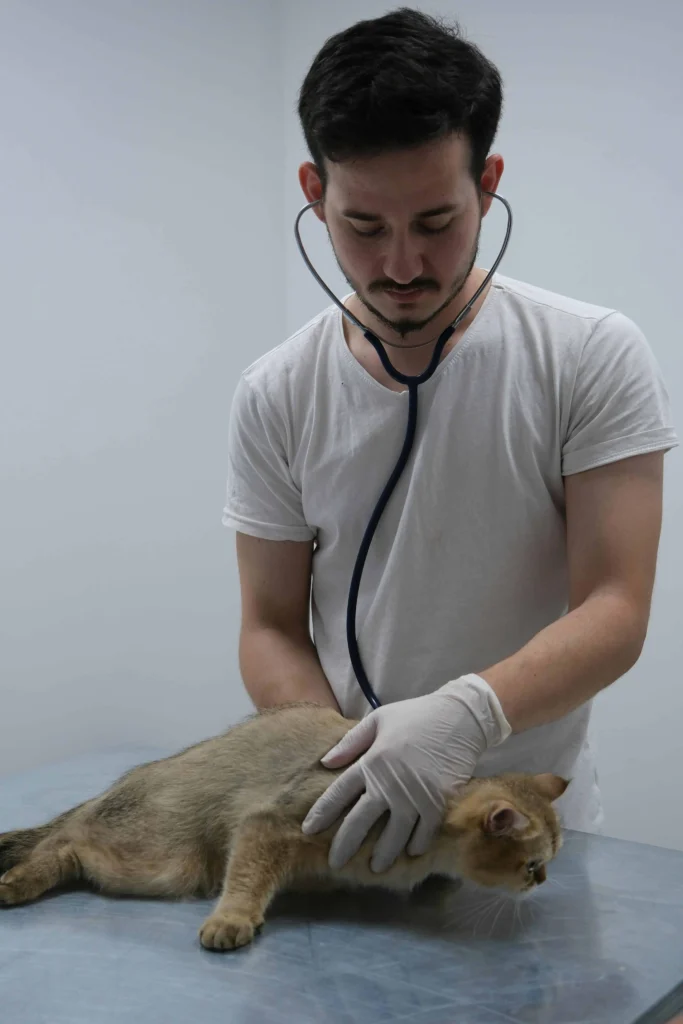
Finding the causes and reasons for polydipsia-polyuria can be complex. There is no single cause, so it is important to be clear about the diagnostic protocol and adapt it to each case.
Dogs and cats are different species, so even if the protocol used is the same, it is necessary to understand the particularities of each animal.
It is important for owners to be attentive to the symptoms presented by their pets, as this syndrome appears in different diseases, and an assessment by a veterinary surgeon is necessary to rule out potentially serious causes and act effectively.